The Siberian Husky is a strikingly beautiful and energetic breed known for its wolf-like appearance and friendly demeanor. Originating from Siberia, these dogs were bred to pull sleds over long distances in harsh Arctic conditions. While their endurance and work ethic make them excellent working dogs, they also come with unique exercise needs and health considerations that potential owners must understand.
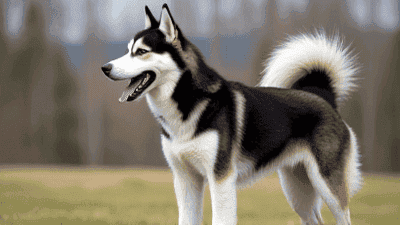
The Siberian Husky is a strikingly beautiful and energetic breed known for its wolf-like appearance and friendly demeanor. Originating from Siberia, these dogs were bred to pull sleds over long distances in harsh Arctic conditions. While their endurance and work ethic make them excellent working dogs, they also come with unique exercise needs and health considerations that potential owners must understand.
1. The Siberian Husky: A Breed Overview
History and Origin
The Siberian Husky was developed by the Chukchi people of Siberia as a sled dog capable of traveling long distances in freezing temperatures. They were later brought to Alaska during the Nome Gold Rush and gained fame for their role in the 1925 serum run to Nome, which inspired the Iditarod sled dog race.
Physical Characteristics
- Size: Medium-sized, typically weighing 35-60 pounds.
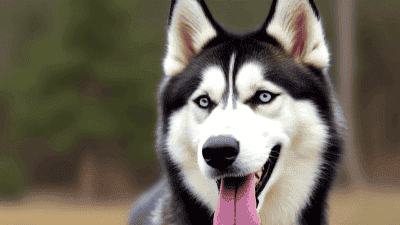
- Coat: Double-layered, with a dense undercoat and longer guard hairs. Comes in a variety of colors, including black, gray, red, and white.
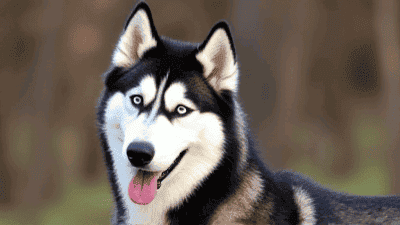
- Eyes: Almond-shaped and can be blue, brown, or heterochromatic (one blue, one brown).
- Build: Athletic and well-proportioned, built for endurance and speed.
Temperament
Siberian Huskies are known for their friendly, outgoing, and energetic nature. They are intelligent, independent, and have a strong pack mentality. However, they can also be stubborn and require consistent training.
2. Exercise Needs of the Siberian Husky
High Energy Levels
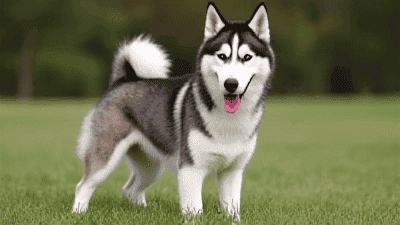
Siberian Huskies are extremely high-energy dogs bred for endurance. Without adequate exercise, they can become bored, destructive, and prone to behavioral issues.
Daily Exercise Requirements
- Minimum Activity: At least 1-2 hours of vigorous exercise daily.
- Types of Exercise: Running, hiking, sledding, and interactive play are ideal. They excel in dog sports like agility, skijoring, and canicross.
- Mental Stimulation: Puzzle toys, obedience training, and scent games can help keep their minds engaged.
Special Considerations
- Leash Training: Huskies have a strong prey drive and may chase small animals. Proper leash training is essential.
- Safe Containment: They are skilled escape artists and require secure fencing to prevent them from wandering.
Exercise for Different Life Stages
- Puppies: Short, frequent play sessions to avoid overexertion.
- Adults: Longer, more intense activities to burn off energy.
- Seniors: Lower-impact exercises like swimming or gentle walks to maintain mobility.
3. Health Considerations for the Siberian Husky
Common Health Issues
While Siberian Huskies are generally healthy, they are prone to certain genetic and breed-specific conditions.
1. Hip Dysplasia
A hereditary condition where the hip joint doesn’t develop properly, leading to arthritis and pain.
- Prevention: Maintain a healthy weight and avoid overexertion during growth periods.
2. Eye Conditions
- Cataracts: Clouding of the eye lens that can impair vision.
- Progressive Retinal Atrophy (PRA): A degenerative eye disorder that leads to blindness.
- Corneal Dystrophy: A condition that affects the cornea’s clarity.
- Prevention: Regular eye exams and genetic testing for breeding dogs.
3. Hypothyroidism
A condition where the thyroid gland doesn’t produce enough hormones, leading to weight gain, lethargy, and skin issues.
- Prevention: Routine blood tests to monitor thyroid function.
4. Zinc Deficiency
Huskies are prone to zinc-responsive dermatosis, which causes skin lesions and hair loss.
- Prevention: Ensure a balanced diet with adequate zinc levels.
5. Bloat (Gastric Torsion)
A life-threatening condition where the stomach fills with gas and twists on itself.
- Prevention: Feed smaller, frequent meals and avoid vigorous exercise immediately after eating.
Preventive Care
- Regular Vet Checkups: Annual exams to monitor overall health.
- Vaccinations: Keep up-to-date on core vaccines such as rabies, distemper, and parvovirus.
- Parasite Control: Use flea, tick, and heartworm preventatives as recommended by your vet.
- Dental Care: Brush your Husky’s teeth regularly and provide dental chews to prevent gum disease.
4. Diet and Nutrition for Siberian Huskies
Nutritional Requirements
Siberian Huskies have unique dietary needs due to their high energy levels and active lifestyle.
- Protein: A high-quality protein source to support muscle maintenance.
- Fat: Healthy fats for energy and coat health.
- Carbohydrates: Complex carbs for sustained energy.
- Vitamins and Minerals: Essential nutrients for overall health.
Feeding Guidelines
- Puppies: Feed 3-4 small meals daily to support growth.
- Adults: Two meals per day, adjusting portion sizes based on activity level.
- Seniors: Transition to a lower-calorie diet to prevent weight gain.
Special Considerations
- Cold Weather: Increase caloric intake during winter to support thermoregulation.
- Food Allergies: Monitor for signs of allergies and switch to hypoallergenic food if necessary.
5. Grooming and Coat Care
Shedding
Siberian Huskies shed heavily, especially during seasonal changes (blowing their coat). Regular grooming is essential to manage shedding and keep their coat healthy.
Grooming Routine
- Brushing: Brush 2-3 times a week, increasing to daily during shedding season.
- Bathing: Bathe every 6-8 weeks or as needed using a dog-specific shampoo.
- Nail Trimming: Trim nails every 3-4 weeks to prevent overgrowth.
- Ear Cleaning: Check and clean ears weekly to prevent infections.
Coat Protection
- Sun Protection: Apply pet-safe sunscreen to exposed areas, especially in summer.
- Winter Care: Ensure they have a warm, dry shelter during cold weather.
6. Training and Socialization
Training Challenges
Siberian Huskies are intelligent but can be stubborn and independent. Consistent, positive reinforcement training is key.
Training Tips
- Start Early: Begin training and socialization during puppyhood.
- Positive Reinforcement: Use treats, praise, and play to reward good behavior.
- Patience and Consistency: Huskies respond well to routine and clear expectations.
Socialization
Expose your Husky to various people, animals, and environments to build confidence and prevent behavioral issues.
7. Living with a Siberian Husky
Suitable Environments
Siberian Huskies thrive in cooler climates and require plenty of space to run and play. They are not well-suited to apartment living unless their exercise needs are met.
Compatibility with Families
Huskies are friendly and affectionate, making them great family pets. However, their high energy levels and strong prey drive may not be suitable for homes with small children or small pets.
Companionship
Huskies are pack animals and do best with companionship. Consider adopting two dogs if you’re away from home frequently.
Conclusion
The Siberian Husky is a remarkable breed with unique needs and characteristics. Their high energy levels, striking appearance, and friendly nature make them a popular choice for active families and outdoor enthusiasts. However, they require commitment, time, and effort to meet their exercise needs and maintain their health. By understanding the breed’s specific requirements and providing proper care, you can ensure your Husky lives a happy, healthy, and fulfilling life.